November 17, 2026
Today's homeowners often seek to expand their living areas by turning outdoor spaces into functional and inviting venues for entertainment. These areas can significantly enhance the enjoyment and utility of homes, providing flexible environments for relaxation and social gatherings.
Patio contractors are specialized in understanding the nuances of outdoor construction, employing a mix of artistry and engineering to ensure each project is both beautiful and functional. The process involves a keen understanding of materials, design principles, and construction techniques, alongside a focus on client satisfaction. By managing these elements effectively, contractors provide homeowners with valuable outdoor spaces that serve as seamless extensions of their indoor living areas.
The Initial Consultation and Design Process
Understanding Client Needs and Lifestyle
The foundation of any successful patio project lies in thoroughly understanding the client’s needs and lifestyle. This involves detailed discussions to grasp the intended use of the space, be it for family gatherings, quiet retreats, or entertaining large groups. Contractors often employ questionnaires and interviews to glean insights into the client’s preferences and daily habits. This understanding allows them to align their designs with the client’s vision, ensuring a personalized and functional outcome. By focusing on these specific needs, patio contractors can guide clients towards features and designs that will best suit their lifestyle and maximize the enjoyment of their new outdoor space.
In addition to understanding use, contractors consider the aesthetic preferences of the client. This includes preferred styles, colors, and textures, aligning the patio's design with the overall architecture and interior of the home. These preferences are crucial in creating a cohesive design that complements and enhances the existing home rather than clashing with it. A strong rapport established during these early consultations fosters trust and ensures that the client feels heard and valued throughout the process. Effective communication during this phase can prevent misunderstandings and design missteps, leading to a more satisfying end product.
Site Evaluation and Measurements
A thorough site evaluation is essential to assess the physical characteristics and constraints of the space intended for development. Patio contractors begin by inspecting the area to identify critical features such as slope, drainage, existing vegetation, and accessibility. Accurate measurements are taken to map the site's dimensions, ensuring every element of the design fits well within the available space. This initial assessment helps contractors identify potential issues that could impact design and construction, such as uneven terrain or poor drainage systems. By addressing these concerns early, contractors can devise strategies to mitigate their effects, ensuring smooth project execution.
Understanding the environmental factors that influence the site is also crucial for successful patio design. Contractors assess sun exposure, prevailing winds, and local weather patterns to optimize the placement and orientation of the patio. For instance, an area with minimal shade might require additional structures like awnings or pergolas to provide shelter from the sun. Conversely, wind patterns might affect where seating or cooking areas are most comfortably placed. This environmental analysis ensures comfort and functionality in all weather conditions, ultimately enhancing the usability of the space throughout the year.
Budget Considerations and Constraints
Establishing a clear budget is a critical step in the patio design process, as it guides the scope and scale of the project. During consultations, patio contractors discuss overall financial limitations with clients, ensuring both parties have a full understanding of the potential costs involved. This transparency helps clients prioritize features and make informed decisions about where to allocate funds, balancing their desires with financial feasibility. Contractors often provide a detailed breakdown of estimated costs, including materials, labor, and any necessary permits, which allows clients to plan accordingly and anticipate any potential financial burdens.
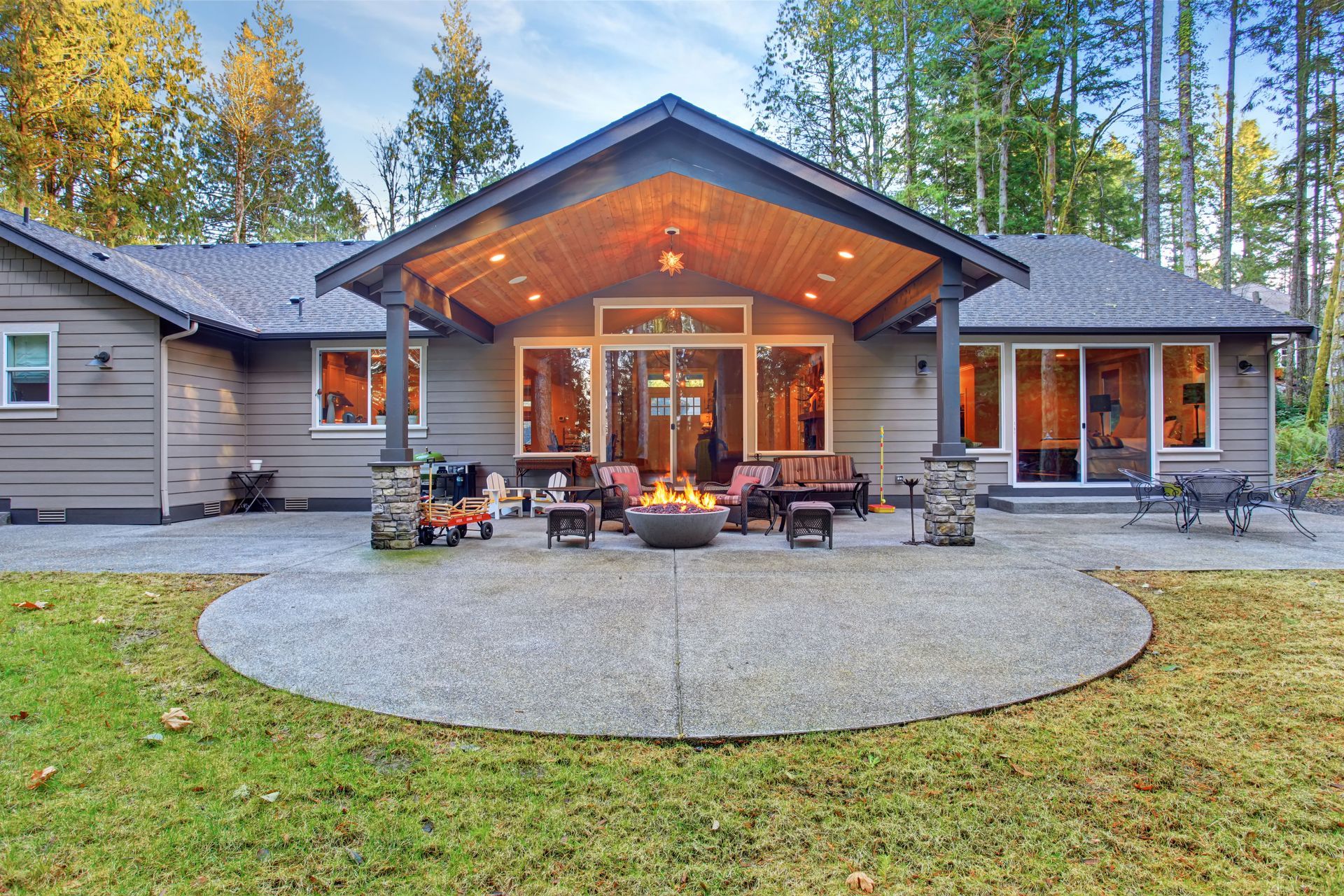
When working with limited budgets, creativity becomes a vital asset for contractors. They suggest cost-effective alternatives that still achieve the desired aesthetic and functional goals, such as using more affordable materials or simplifying the design. For instance, opting for concrete can be a cost-effective choice, as it typically offers an average lifespan of 25 years, according to The Spruce, balancing cost with durability.
Material Selection for Aesthetic and Longevity
Evaluating Durability: Stones, Bricks, and Pavers
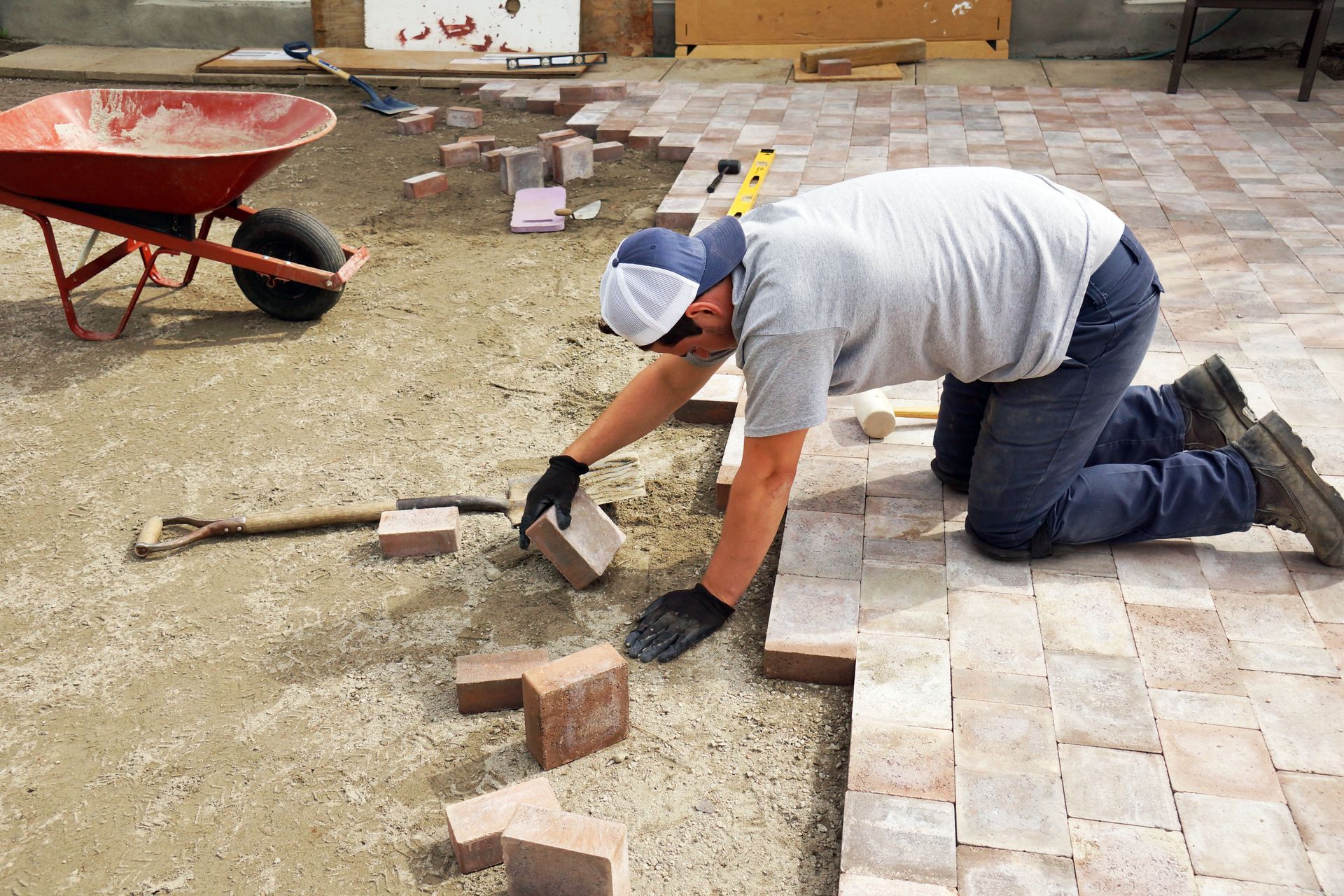
The selection of materials is a critical step in patio construction, significantly impacting the aesthetic appeal and longevity of the space. Patio contractors evaluate a range of materials, including natural stone, bricks, and pavers, each offering unique visual and structural benefits. Natural stone provides a timeless, elegant look with exceptional durability, though often at a higher cost compared to other materials. Bricks, meanwhile, offer a classic appearance with a good degree of flexibility and are known for their resistance to weathering. Pavers are praised for their versatility and ease of installation, available in various colors and patterns to suit any design preference.
The longevity of materials is a primary consideration when selecting options, as clients expect their patio to withstand the test of time and environmental wear. Comparable considerations are made for other materials, discussing sealing techniques or protective coatings to enhance durability. Contractors balance these durability assessments with client preferences to recommend materials that will offer both beauty and sustained functionality over the years.
Color Palette and Textural Choices
The visual appeal of a patio is significantly influenced by the selected color palette and textures, impacting the overall ambiance and harmony of the space. Contractors collaborate with clients to develop a color scheme that complements the architecture of the home and echoes personal tastes. Neutral hues, earthy tones, or bold accents can all contribute to the desired mood, with the choice of color playing a key role in the design's success. By skillfully combining colors and textures, contractors can create striking contrasts or gentle transitions that add visual interest and thematic cohesion to the outdoor space.
Textural diversity further enhances the aesthetic value of the patio, offering tactile and visual variety that enriches the overall experience. The interplay between smooth surfaces, like polished stone, and rough materials, like natural rock or textured pavers, can create intriguing combinations that reflect both style and function. Contractors consider how texture interacts with other design elements such as foliage, furniture, and lighting, ensuring a balanced and pleasing ensemble. Highlighting focal points through the use of varied textures allows for a layered and multifaceted design that engages the senses.
Weather Resistance and Maintenance Considerations
The longevity and performance of a patio depend on materials that can withstand local weather conditions and require manageable levels of maintenance. Contractors evaluate weather-resistant materials such as composite decking, treated lumber, and concrete for their ability to endure temperature fluctuations, UV exposure, and moisture levels. Composite decking, for instance, offers durability and low maintenance by resisting rot and fading, making it an appealing choice for many homeowners. Treated lumber provides classic appeal while resisting decay and insects through chemical treatments. Concrete offers not only durability but also customization through stamping and coloring, aligning with both aesthetic desires and weather endurance.
Maintenance considerations are an essential component of material selection, as different materials come with varied care requirements. Materials such as sealed stone or pre-treated wood may demand periodic maintenance to maintain their appearance and integrity, while others like composite materials may only require occasional cleaning. Patio contractors help clients understand these maintenance needs, aligning them with their lifestyle and capabilities to ensure sustainable enjoyment of the patio.
Balancing Cost with Quality
Achieving the right balance between cost and quality is a pivotal aspect of patio construction, requiring thoughtful analysis and strategic decision-making by contractors. Clients often seek cost-effective solutions that do not compromise on aesthetics or functionality, prompting contractors to suggest materials and designs that maximize value. For instance, selecting concrete with an average lifespan of 25 years provides a durable foundation at a lower cost than some natural stone options. Contractors leverage their industry knowledge to identify high-quality, affordable options that achieve the desired look and feel, ensuring an efficient use of the budget.
The consideration of lifecycle costs is an essential factor in evaluating material options, weighing initial expenses against potential long-term maintenance savings. Cheaper materials may seem attractive upfront but could entail greater repair and upkeep costs in the future. Contractors present clients with a comprehensive analysis of these factors, reinforcing the importance of investing in quality to avoid future financial burdens.
Are you ready to get started with reliable
patio contractors? Call Superior Lawn & Landscape. We'd love to assist you!