June 26, 2026
A healthy lawn depends on more than regular mowing and seasonal fertilization. Proper irrigation plays a major role in maintaining strong roots, vibrant color, and consistent growth throughout the year. Watering too little can leave grass stressed and vulnerable, while overwatering can encourage disease and waste valuable resources. Understanding how and when to water allows homeowners to create conditions that support long-term lawn health.
Effective irrigation also contributes to environmental responsibility. By tailoring watering practices to your lawn's unique needs, you can reduce unnecessary water consumption while still maintaining an attractive landscape. Professional lawn care services often emphasize irrigation management because it directly impacts the appearance and resilience of your yard.
Understanding Your Lawn's Water Needs
Every lawn has different watering requirements. Grass type, climate, and soil conditions all influence how much moisture is necessary for healthy growth. Cool-season grasses generally require more frequent watering during warmer months, while warm-season varieties tend to tolerate periods of drought more effectively. Climate is another important consideration. Lawns in dry regions often require supplemental watering, while those in areas with regular rainfall may need less irrigation. Seasonal changes should also guide your watering routine.
Hot summer temperatures increase moisture loss, while cooler seasons reduce demand.
Soil composition affects how efficiently water is retained. Sandy soils drain quickly and may require more frequent watering. Clay soils hold moisture longer but can become oversaturated if irrigation is excessive. Understanding your soil type helps prevent waste and supports healthier root development. Recognizing signs of watering problems is equally important. Yellowing grass, fungal growth, and soggy areas often indicate overwatering. Brown patches, footprints that remain visible, and wilted blades may signal underwatering. Adjusting irrigation based on these observations helps maintain a balanced approach.
The Role of Technology in Lawn Health
Modern technology has transformed how homeowners manage irrigation. Smart controllers now provide customized watering schedules based on weather patterns, soil conditions, and plant needs. According to Market Data Forecast, smart irrigation controllers can decrease outdoor water consumption by as much as 40% compared with traditional systems. These tools automatically adjust schedules when rainfall occurs or temperatures fluctuate, helping homeowners avoid unnecessary watering.
Many systems connect to mobile applications that provide updates, alerts, and usage reports. This accessibility allows users to monitor irrigation performance and make informed decisions regarding lawn maintenance. Incorporating technology into lawn care services not only promotes healthier grass but also supports sustainability by reducing water waste.
Choosing the Right Irrigation System
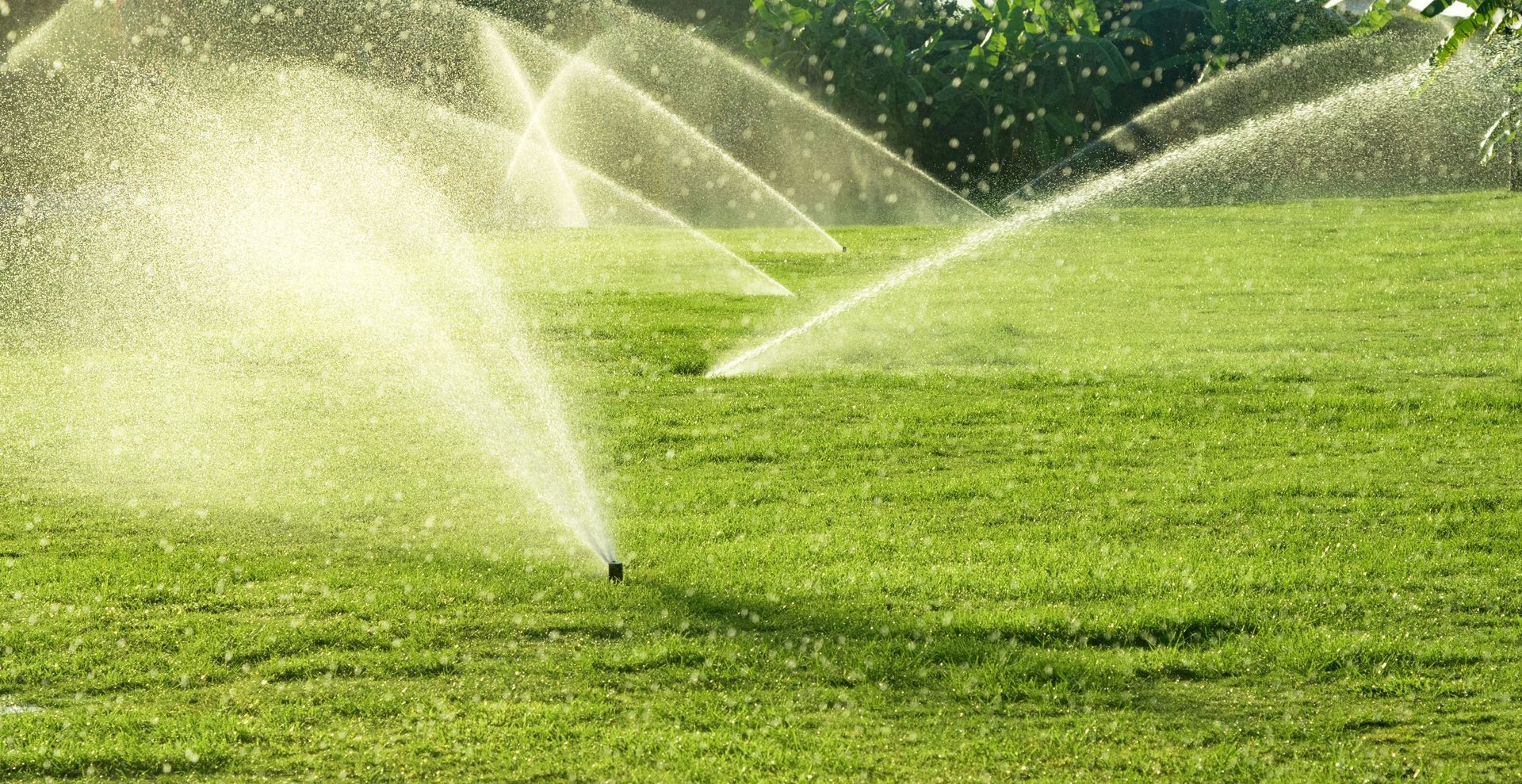
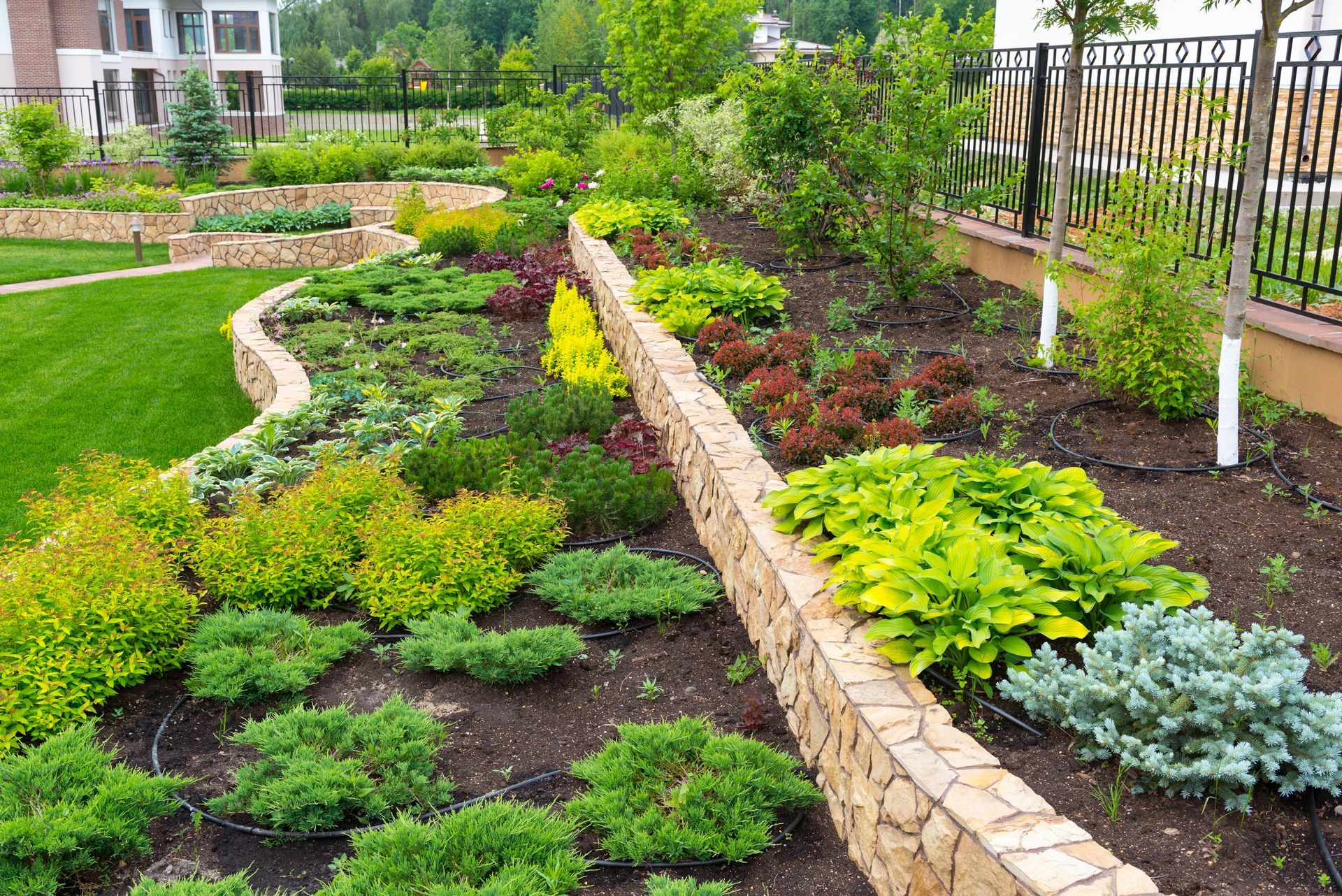
Selecting an irrigation system requires evaluating your property's layout, budget, and maintenance preferences. Traditional sprinkler systems remain a popular choice because they provide broad coverage and convenience. Many newer models feature programmable timers that improve efficiency. However, poorly maintained sprinklers can contribute to overspray, evaporation, and hidden leaks. Drip irrigation offers a more targeted solution for landscape beds and ornamental plantings. By delivering water directly to root zones, these systems reduce evaporation and improve efficiency. Although installation can be more complex, the long-term water savings often justify the investment.
Soaker hoses provide another alternative for homeowners seeking gradual moisture distribution. These systems allow water to seep slowly into the soil, encouraging deeper root growth. Proper maintenance is necessary to prevent clogging and ensure consistent performance. Smart irrigation systems combine convenience with conservation. Their ability to adapt automatically to changing conditions makes them increasingly attractive to homeowners focused on efficiency. Many lawn care services recommend these systems because they simplify irrigation management while promoting healthier landscapes.
Establishing Effective Watering Schedules
When it comes to irrigation, timing matters. Early morning is widely considered the best time to water because cooler temperatures and reduced wind minimize evaporation. Watering later in the day can leave grass damp overnight, increasing the likelihood of fungal diseases. Most lawns benefit from deep, infrequent watering rather than shallow daily applications. Providing adequate moisture encourages roots to grow deeper into the soil, increasing drought tolerance and overall resilience.
Environmental conditions should influence scheduling decisions. Rainy periods naturally reduce irrigation needs, while extended dry spells may require adjustments. Monitoring local forecasts helps prevent unnecessary watering. Seasonal transitions also call for schedule modifications. Spring rainfall often decreases the need for supplemental moisture, while summer heat may demand increased irrigation. As temperatures cool during autumn, watering requirements generally decline. Rain sensors can further improve efficiency by temporarily suspending irrigation during precipitation events. These devices prevent overwatering while reducing utility expenses.
Water Conservation Strategies
Maintaining a healthy lawn does not require excessive water use. Conservation practices allow homeowners to support attractive landscapes while protecting natural resources. Smart irrigation technology remains one of the most effective conservation tools available. Automated adjustments based on real-time conditions ensure that water is applied only when necessary.
Some homeowners also explore alternative water sources, such as gray water systems, where permitted by local regulations. Reusing water responsibly can reduce dependence on freshwater supplies. Selecting drought-tolerant grass varieties provides another opportunity for conservation. Certain turf types require less irrigation while maintaining visual appeal and durability. Matching grass species to regional conditions promotes long-term success.
Mulch can also play a valuable role in moisture retention around landscape beds. Organic mulch reduces evaporation, suppresses weeds, and gradually improves soil quality as it decomposes. Small adjustments often yield meaningful savings. Regular equipment inspections, thoughtful scheduling, and mindful watering practices all contribute to reduced waste without compromising lawn quality.
Avoiding Common Irrigation Mistakes
Even well-intentioned homeowners can encounter irrigation challenges. One of the most common issues is runoff, which occurs when water is applied faster than the soil can absorb it. This leads to waste while depriving roots of the moisture they need. Pooling water may indicate poor drainage or excessive irrigation. Addressing these concerns promptly helps prevent disease and root damage.
Uneven distribution is another frequent problem. Misaligned sprinkler heads or clogged nozzles can leave some areas oversaturated while others remain dry. Conducting occasional inspections during operation helps identify inconsistencies. Overwatering remains one of the biggest threats to lawn health. Excessive moisture limits oxygen availability in the soil and encourages fungal growth. Using soil moisture sensors or adjusting schedules based on weather conditions can help prevent this issue.
Leaks and blockages also affect efficiency. Unexpected puddles, reduced pressure, or unusually high water bills may signal hidden problems. Early detection minimizes repair costs and prevents resource waste. Many lawn care services stress the importance of proactive system monitoring because small issues can quickly escalate if left unresolved.
Maintaining and Improving Irrigation Systems
Routine maintenance ensures irrigation systems continue operating effectively. Seasonal inspections should include checking sprinkler heads, valves, timers, and hoses for signs of wear or damage. Cleaning clogged components and replacing damaged parts preserves performance and extends equipment lifespan. Verifying that timers reflect current seasonal needs also prevents overwatering.
Homeowners comfortable with basic repairs may handle simple adjustments independently. Replacing nozzles, repositioning sprinkler heads, and tightening connections can improve efficiency with minimal expense. However, more advanced concerns often benefit from professional attention. Underground leaks, controller malfunctions, and major system upgrades require specialized knowledge and equipment.
Professional lawn care services provide valuable expertise in diagnosing inefficiencies and recommending improvements tailored to your property's needs. Their assessments can uncover opportunities for enhanced performance and long-term savings. Planning also contributes to irrigation success. As climate patterns evolve and new technologies emerge, adapting your approach helps ensure your lawn remains healthy despite changing conditions.
Proper irrigation forms the foundation of a healthy, attractive lawn. Understanding your grass type, monitoring environmental conditions, selecting appropriate equipment, and maintaining efficient watering practices all contribute to stronger root systems and improved appearance. Thoughtful irrigation not only protects your investment in your landscape but also supports responsible water use.
If you want to maximize the health and beauty of your outdoor spaces, Superior Lawn & Landscape can help. Our experienced team provides lawn care services designed to promote vibrant growth, efficient irrigation, and lasting curb appeal. Contact Superior Lawn & Landscape today to learn how professional lawn care services can keep your property looking its best throughout every season.