April 17, 2026
A patio project often starts with inspiration—relaxed evenings, weekend cookouts, and a space that extends your home outdoors. But from a patio contractor’s perspective, real success depends on preparation, not just ideas.
Homeowners who experience smooth builds understand the planning, budgeting, and coordination involved. Clear expectations and strategic decisions make a measurable difference before construction even begins. If you are preparing to hire a patio contractor, there are key factors you should understand before the first shovel hits the ground.
It is easy to focus on visible features like pavers or lighting, but durability and long-term performance are determined beneath the surface. The goal is not simply building a patio, but building the right patio for your property, lifestyle, and budget.
Defining the Vision Clearly
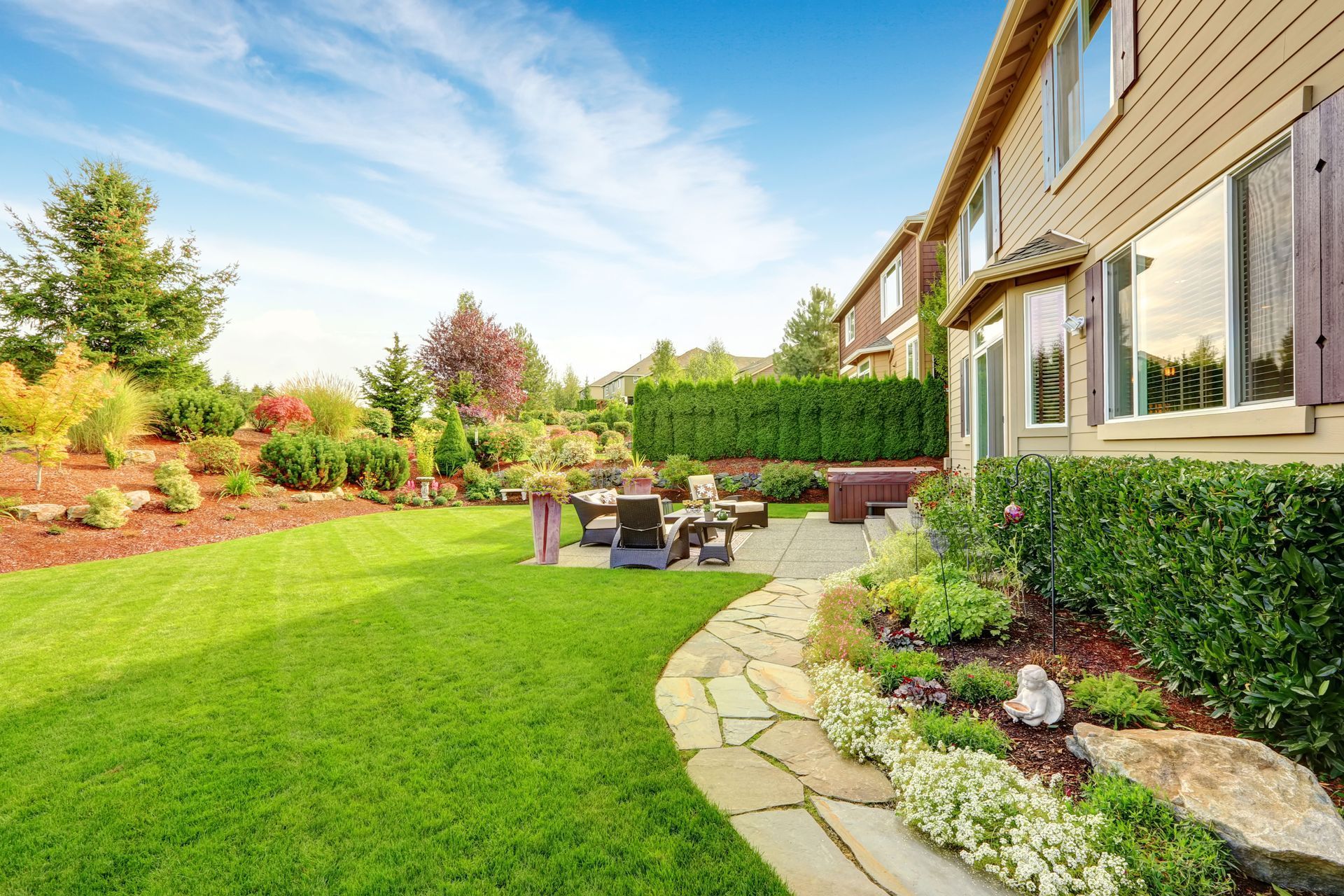
Every successful patio begins with clarity. Before materials, measurements, or features are discussed, a patio contractor wants to understand exactly how you plan to use the space. Is this primarily for entertaining? Is it a private retreat? Will it double as a dining area or outdoor kitchen?
The clearer your purpose, the more efficient the design process becomes. A hosting-focused patio requires open traffic flow, seating zones, and lighting. A relaxation-focused layout may prioritize shade, privacy screening, and comfort. When homeowners define the vision clearly from the beginning, design decisions become intentional instead of reactive.
It is also important to think ahead. Will your needs change in the next five to ten years? Planning for future flexibility allows your patio contractor to design a layout that grows with you instead of limiting you.
Beyond function, consider how you want the space to feel. Do you prefer a modern aesthetic with clean lines, or something more natural and textured? Communicating these preferences helps guide material selection and layout strategy. A clear vision eliminates guesswork and reduces the likelihood of mid-project changes.
Evaluating the Usage Honestly
How often you plan to use your patio has a direct impact on construction decisions. A space used weekly for gatherings requires more durable materials and reinforced foundations. A patio used occasionally may not demand the same level of structural investment.
Seasonality also plays a role. If you want year-round usability, features like overhead coverage or fire elements may be worth considering. According to Bob Vila, installing an outdoor firepit can yield a 67% return on investment, making it both a practical and financially strategic addition.
Being honest about your habits prevents overspending or underbuilding. An experienced patio contractor will help align your goals with realistic usage patterns so the finished result matches how you actually live.
You should also evaluate how many people typically use the space at one time. Designing for large gatherings requires additional square footage and thoughtful furniture placement. If your gatherings are intimate, a more compact and efficient layout may feel more comfortable and cohesive.
Assessing the Property Thoroughly
Not all yards are created equal. Soil conditions, grading, drainage patterns, and sun exposure significantly influence design and construction methods. A professional contractor evaluates these variables before finalizing recommendations.
Improper grading can lead to water pooling or structural shifting over time. Poor drainage can compromise both the patio and nearby foundations. Sun orientation affects material heat retention and comfort levels throughout the day.
Understanding that site preparation is not optional but foundational helps set realistic expectations. Much of the work that determines long-term durability happens below the surface.
In some cases, retaining walls or additional structural reinforcement may be necessary. These elements are not cosmetic upgrades but essential components that ensure safety and stability. A skilled patio contractor anticipates these needs during the planning phase rather than discovering them mid-construction.
Establishing the Budget Realistically
One of the most common misconceptions homeowners have involves cost allocation. Many assume most of the budget goes toward surface materials. In reality, excavation, base preparation, labor, and finishing details often represent a significant portion of the total investment.
A patio contractor values early, transparent budget discussions. Clear financial parameters allow for smarter prioritization. Structural integrity should always take precedence over decorative upgrades that can be phased in later.
It is also wise to plan for contingencies. Once excavation begins, unforeseen site conditions can emerge. A realistic budget includes flexibility to address those situations without compromising quality.
Breaking your budget into categories can also help. Allocate funds for site preparation, materials, labor, and optional features. This structured approach gives you better control over spending decisions and prevents emotional overspending on aesthetic details that exceed practical needs.
Selecting the Materials Strategically
Material selection should balance appearance, durability, and maintenance expectations. Concrete, pavers, and natural stone all offer distinct advantages, but performance varies depending on climate and usage.
Freeze-thaw environments demand materials that resist cracking. High-heat areas benefit from lighter finishes that reduce surface temperature. Slip resistance, drainage compatibility, and long-term maintenance requirements all factor into the decision.
A knowledgeable patio contractor guides homeowners through these comparisons to avoid aesthetic-driven decisions that overlook performance. Strategic selection ensures the patio remains functional and attractive for years.
It is also important to understand maintenance commitments. Some materials require periodic sealing to maintain color and durability. Others may need joint sand replenishment or routine cleaning. Selecting materials that align with your willingness to maintain them prevents frustration after installation.
Anticipating the Timeline Realistically
Outdoor construction projects are influenced by variables beyond anyone’s control. Weather conditions, permit approvals, material supply, and subcontractor coordination can all affect scheduling.
Rain may delay excavation. Municipal permitting processes may extend timelines. Seasonal demand may impact contractor availability. A patio contractor builds buffers into schedules, but flexibility remains essential.
When homeowners anticipate potential adjustments rather than fixed completion dates, collaboration improves. Realistic timeline expectations reduce stress and maintain positive momentum throughout the build.
It is also helpful to understand the sequence of construction. Excavation, base preparation, material installation, and finishing all occur in stages. Each stage builds on the previous one, and rushing any step can compromise quality. Patience during this process directly impacts long-term durability.
Prioritizing the Investment Long Term
A patio is both a lifestyle upgrade and a property improvement. Outdoor living spaces consistently rank high in buyer appeal, especially when designed thoughtfully and constructed professionally. Features such as lighting systems, built-in seating, and fire elements can enhance daily enjoyment while increasing resale potential. Long-term value also depends on proper installation practices. Cutting corners during base preparation or drainage planning may reduce upfront costs but shorten lifespan.
An experienced patio contractor evaluates decisions through the lens of durability, adaptability, and overall return on investment. Thinking beyond immediate aesthetics leads to stronger long-term outcomes. Long-term planning also includes adaptability. Leaving space for future additions, such as a pergola or outdoor kitchen, can prevent costly demolition later. Planning utilities or structural supports in advance simplifies expansion if your needs evolve. A patio project is more complex than it appears at first glance. From defining purpose and evaluating usage to assessing site conditions and managing timelines, every decision influences the final result. Homeowners who approach the process with clarity and realistic expectations consistently achieve better outcomes.
The most successful projects are collaborative. When you communicate openly, plan strategically, and prioritize long-term value, your patio becomes more than a surface area in your yard. It becomes a durable, functional extension of your home designed to serve you for years. Working with a qualified patio contractor is not just about installation. It is about strategic planning, informed decision-making, and building a space designed to last. If you are ready to start planning your outdoor living space, connect with Superior Lawn & Landscape.