November 24, 2026
Landscape design features can transform an ordinary yard into an inviting outdoor retreat that remains attractive and functional over time. While trends in outdoor living and gardening continue to change, certain elements maintain their appeal because of their beauty, versatility, and practicality. From balanced geometric layouts to native plants and comfortable outdoor gathering areas, these timeless features help homeowners create landscapes that complement their properties and lifestyles.
Creating Classic Geometric Layouts
Classic geometric layouts are a cornerstone of timeless landscape design, offering a sense of order and symmetry that remains visually appealing across generations. Straight lines, triangles, circles, and rectangles can create formal garden spaces that feel both elegant and approachable. These patterns also serve practical purposes by guiding visitors through the yard and separating areas designated for different activities.
Symmetry and balance are essential components of these layouts. They contribute to a structured environment that evokes calm and organization. When outdoor spaces feel balanced, visitors can comfortably explore different garden features without feeling overwhelmed. A landscape designer can incorporate these principles while considering the property's existing architecture, available space, and natural surroundings.
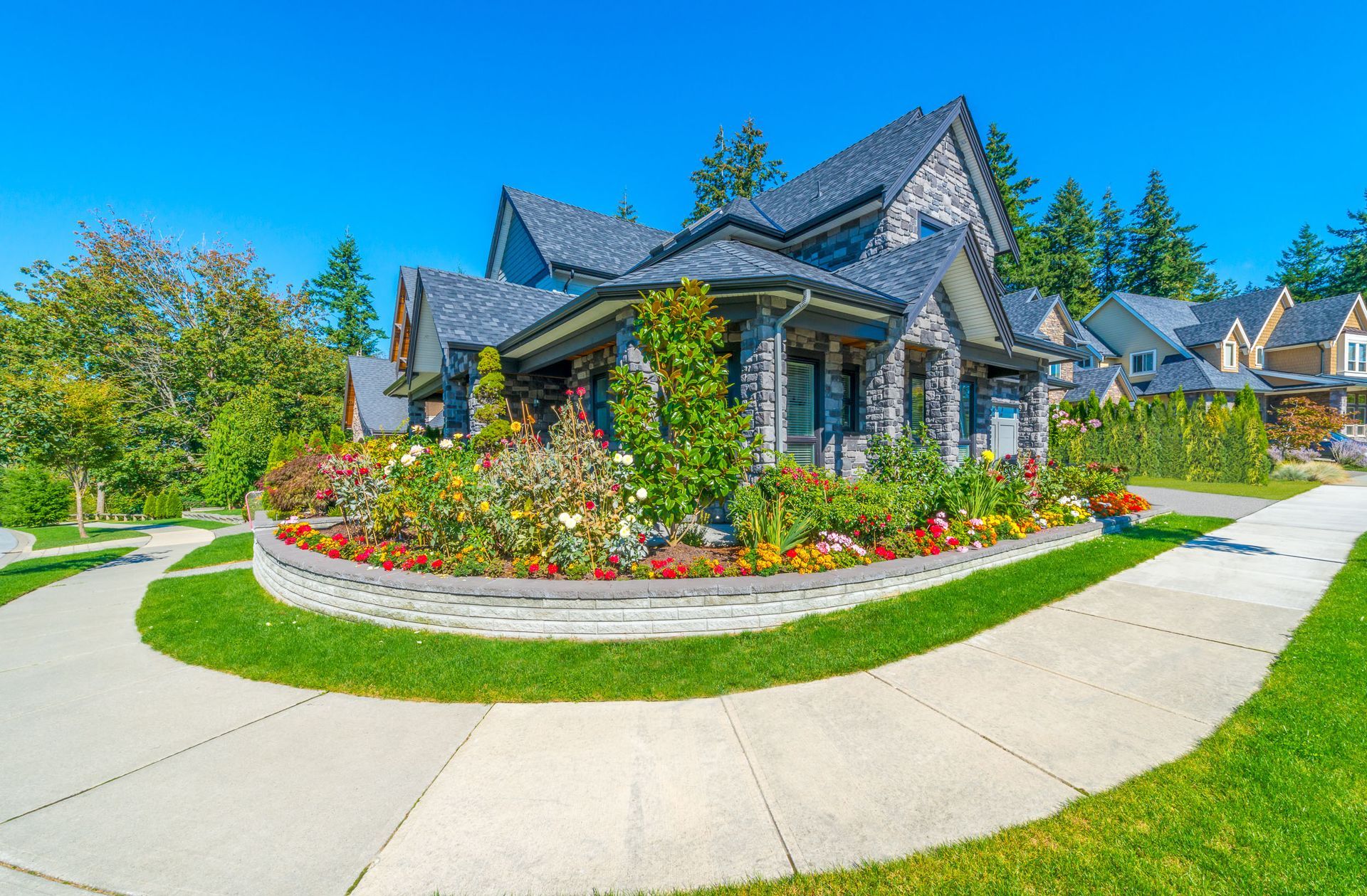
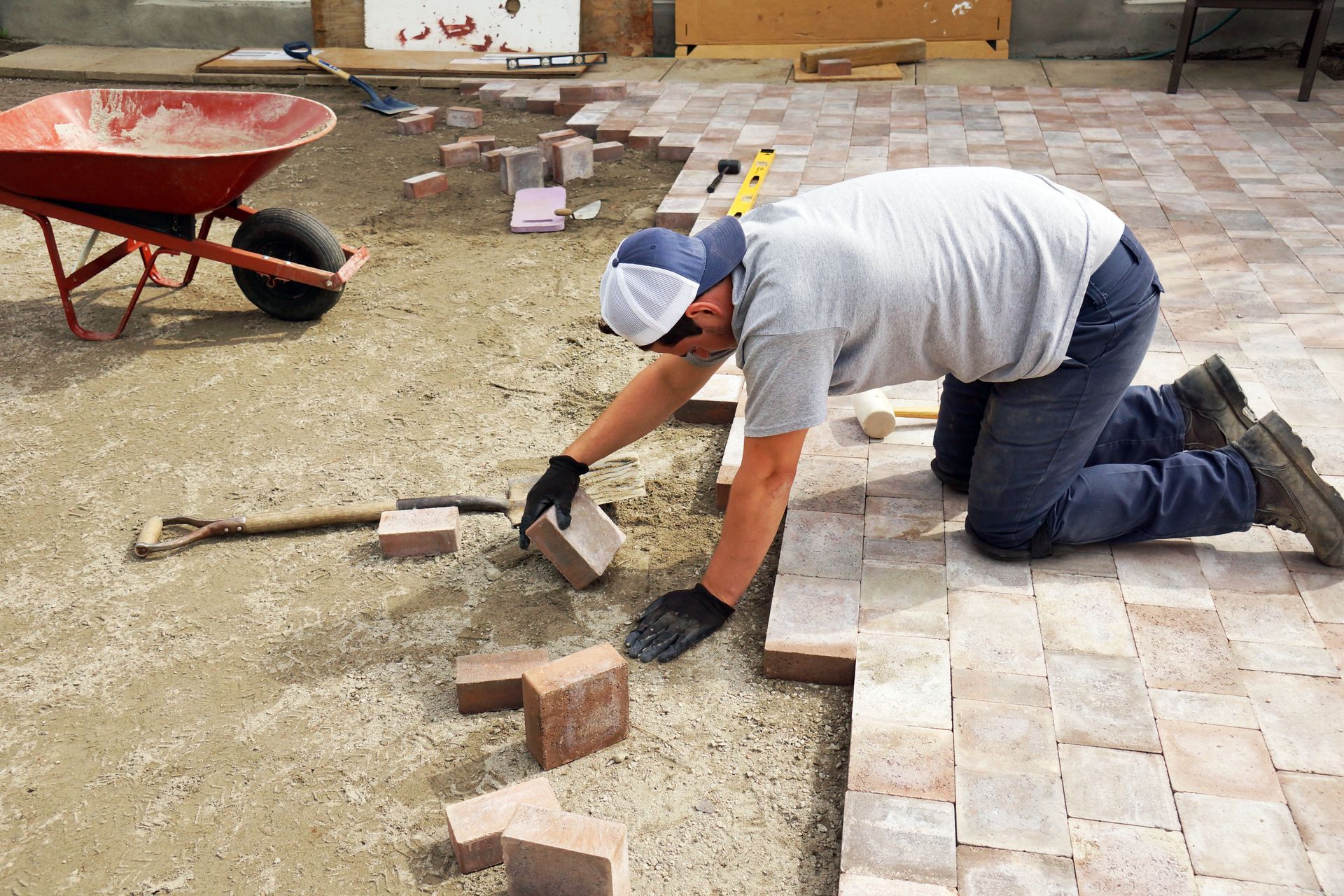
Formal garden paths frequently complement geometric layouts by connecting different sections of the yard. Traditionally, these paths feature surrounding hedges or flowering plants that reinforce the structured appearance. Modern designs may incorporate permeable materials such as gravel and stone to improve drainage and manage rainwater. According to This Old House, standard landscape maintenance projects can provide a cost recovery of up to 217% upon home resale. This highlights the potential value of maintaining attractive, well-organized outdoor spaces.
Incorporating Timeless Water Features
Water features bring tranquility and sophistication to outdoor environments. Reflective pools serve as visual highlights, creating peaceful surfaces that mirror surrounding plants, trees, and architectural details. These reflections can enhance the appearance of nearby landscaping while adding depth and interest. Reflective water features are particularly popular in formal and minimalist gardens, where their understated appearance complements the overall design.
Flowing fountains and ponds with aquatic plants can transform an ordinary backyard into a relaxing retreat. The sound of running water creates a soothing atmosphere, making fountains appealing additions to spaces intended for relaxation and entertaining. Ponds can also support aquatic plants and small wildlife, introducing additional natural elements into the yard. A landscape designer can help select a water feature that complements the property's layout without overwhelming the surrounding space.
Streams and waterfalls introduce movement and sound, creating a more engaging outdoor experience. Some designs incorporate recirculating water systems to reduce waste while maintaining their visual appeal. Birdbaths offer similar benefits on a smaller scale by attracting birds and providing an attractive focal point. These features remain popular because they engage multiple senses and bring a distinctive atmosphere to outdoor spaces.
Selecting Native and Drought-Resistant Plants
Native and drought-resistant plants offer an attractive combination of sustainability and practicality. Native varieties are adapted to local climates and soil conditions, often requiring less supplemental watering and fewer chemical treatments once established. This makes them valuable choices for homeowners who want attractive gardens without demanding maintenance requirements.
Low-maintenance ground covers provide an alternative to traditional lawn grass, which can require frequent mowing and upkeep. Ground covers help limit soil erosion and suppress weed growth while introducing different textures and colors. Options include succulents, ornamental grasses, and mosses, each contributing a distinctive appearance to the overall landscape.
Seasonal planting strategies can also keep outdoor spaces visually interesting throughout the year. Combining plants with different blooming periods creates changing displays while supporting local pollinators and birds. A knowledgeable landscape designer can select varieties that work well together and suit the property's growing conditions. Native plant integration also creates opportunities to develop healthier outdoor ecosystems that benefit the surrounding environment.
Designing Comfortable Outdoor Living Spaces
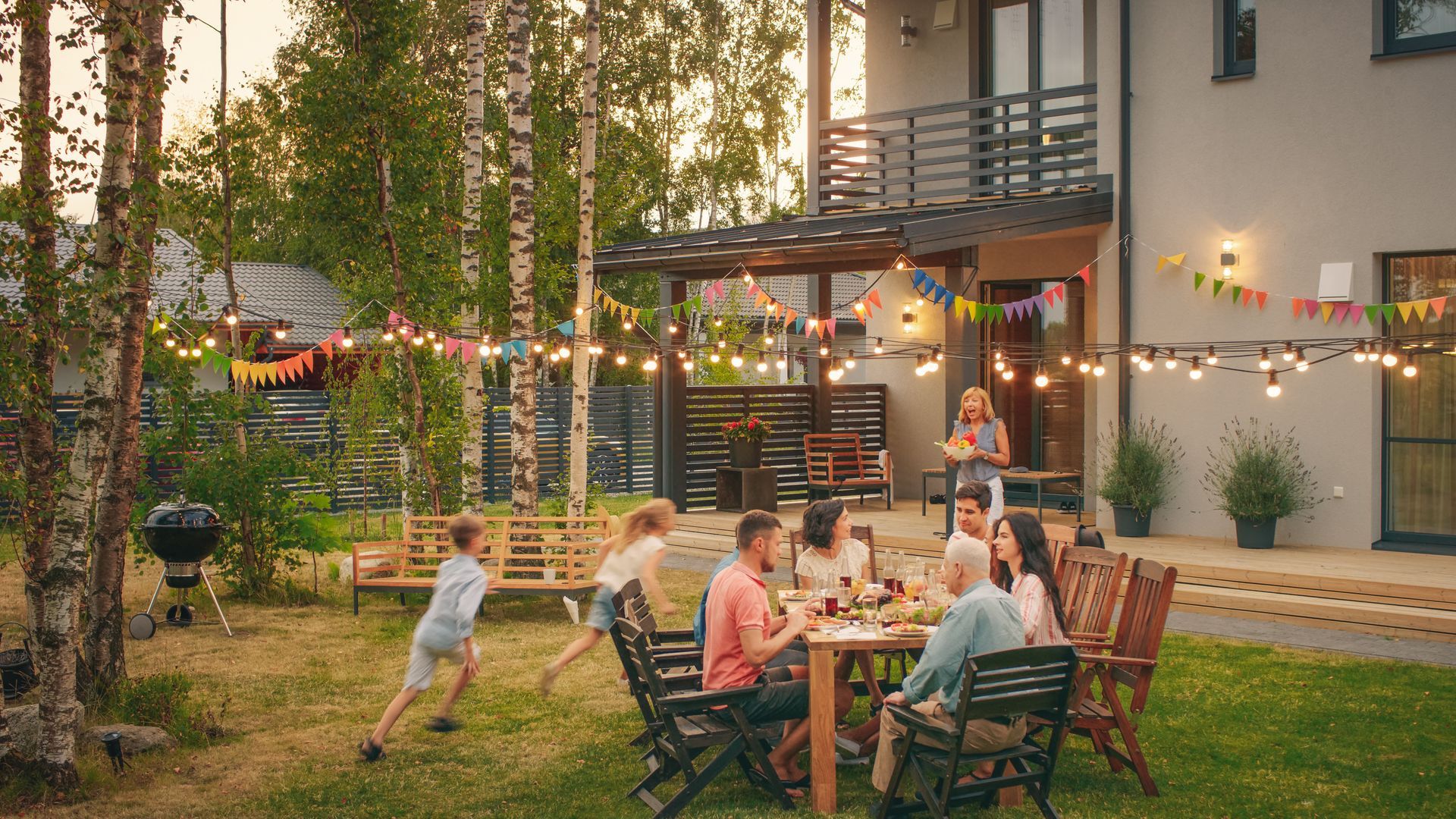
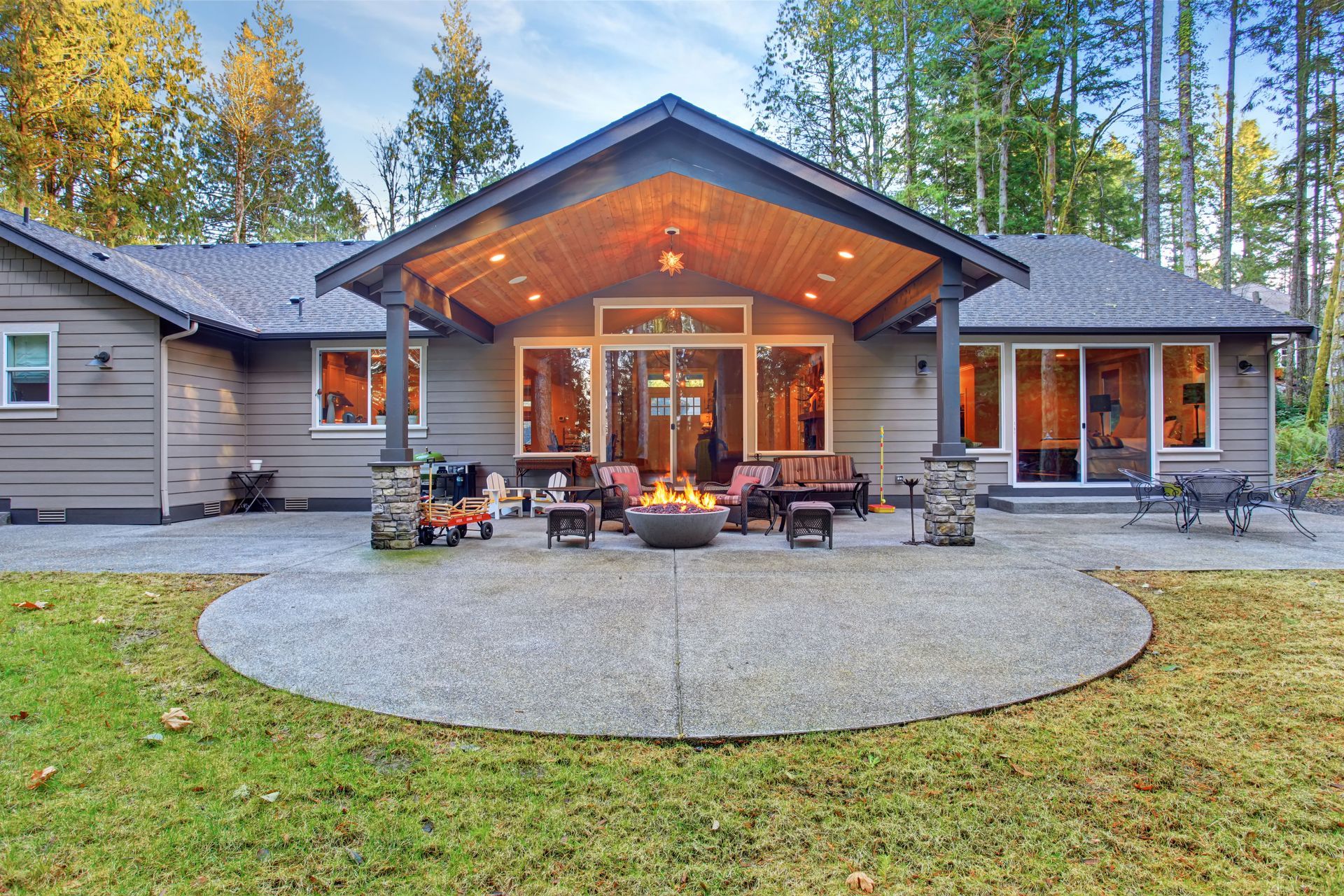
Outdoor living spaces have become popular additions to residential properties, transforming backyards into functional extensions of the home. These areas provide opportunities to enjoy fresh air while maintaining many of the comforts associated with indoor spaces. Patios with durable, attractive furniture create welcoming settings for dining, relaxing, and entertaining.
Fire pits and outdoor fireplaces can serve as focal points in these gathering areas. Available in traditional and contemporary designs, fire features introduce warmth and ambiance while encouraging family members and guests to spend more time outside. Their placement and surrounding materials should complement the overall layout while providing adequate clearance and safe use.
Outdoor kitchens add another layer of functionality by making meal preparation more convenient. Grilling stations, countertops, sinks, and refrigerators can create a practical cooking area that supports outdoor entertaining. Weather-resistant materials help these installations maintain their appearance and usability. Thoughtful lighting also improves visibility after sunset while creating a welcoming atmosphere for evening activities.
A landscape designer can bring these features together by considering how people will move between different areas and how each space will be used. Coordinating patios, walkways, seating areas, and lighting creates a cohesive environment rather than a collection of disconnected features.
Implementing Sustainable Design Practices
Sustainable design practices incorporate environmentally responsible methods without sacrificing visual appeal. Xeriscaping is one approach that reduces irrigation needs through drought-tolerant plants, strategic grouping, and efficient layouts. By choosing vegetation suited to local conditions, homeowners can conserve water while creating attractive outdoor environments.
Rainwater harvesting offers another practical addition to sustainable landscapes. Rain barrels and permeable surfaces help capture rainwater that can later support irrigation. These solutions reduce reliance on municipal water supplies while encouraging more responsible resource management. Proper drainage planning also helps protect planted areas and surrounding structures from unwanted water accumulation.
Composting and recycling can further improve the sustainability of a property. Compost enriches soil with organic matter, supporting healthier plant growth while reducing yard waste. Recycled materials can also be incorporated into garden structures, walkways, and other features. A landscape designer can recommend materials and planting strategies that balance environmental considerations with long-term durability.
Adding Lasting Art and Sculptural Features
Art and sculptures introduce personality and distinction to outdoor environments. When selecting decorative pieces, homeowners should consider how each item complements the surrounding landscape and withstands exposure to changing weather. Materials such as stone, metal, and treated wood are popular choices because of their durability and ability to blend with natural surroundings.
Sculptural focal points create destinations within a garden and encourage visitors to explore different areas. Larger statues can anchor open spaces, while smaller decorative pieces can introduce subtle visual interest along pathways or among plantings. These additions also provide opportunities to reflect personal tastes without changing the overall structure of the landscape.
Garden ornaments and themed outdoor spaces can create memorable experiences when balanced with surrounding vegetation. Benches, artistic installations, and decorative accents should enhance the natural environment rather than compete with it. A landscape designer can help determine appropriate placement, scale, and materials so these features contribute to a cohesive appearance.
Maintaining a Timeless Landscape Design
Even the most carefully planned outdoor environment requires consistent attention to preserve its appearance and functionality. Pruning, mulching, seasonal planting, and routine lawn care help maintain healthy vegetation and prevent outdoor spaces from becoming overgrown. Addressing drainage concerns and replacing damaged materials also protects the overall design.
Homeowners should consider how their landscaping may need to change as their properties and lifestyles evolve. Updating plant selections, refreshing garden beds, and maintaining existing structures can keep outdoor spaces attractive without requiring a complete redesign. Working with a landscape designer can also help homeowners identify improvements that complement established features rather than introducing unnecessary changes.
For homeowners looking to create or maintain an attractive outdoor environment, Superior Lawn & Landscape can help bring lasting design ideas to life. With thoughtful planning and ongoing care, timeless landscape features can provide years of enjoyment while enhancing a property's overall appeal.