August 21, 2026
Expanding your backyard is one of the most exciting home improvement projects you can undertake. Whether you are clearing out overgrown brush, pushing back a tree line, or leveling out a slope to create a larger lawn, adding square footage to your usable outdoor space opens up endless possibilities for relaxation, entertainment, and play. However, the process of yard expansion often involves removing existing vegetation, shifting soil, and altering the natural balance of your property. Once the heavy machinery leaves and the dust settles, many homeowners find themselves looking at a vast, open, but surprisingly stark landscape.
This blank canvas is an incredible opportunity, but it requires thoughtful planning to reach its full potential. Planting new trees in your newly expanded space is not just an aesthetic choice; it is an essential step in restoring environmental balance, creating functional living zones, and maximizing the long-term value of your property. Professional backyard designers frequently emphasize that trees serve as the structural backbone of any successful landscape transformation.
According to Houzz, a 2024 study found that 33% of homeowners are upgrading their outdoor areas to extend their living space. In this article, we will explore the essential reasons why planting new trees after expanding your backyard is crucial for your home's ecosystem, comfort, and value.
Restore Natural Shade and Microclimate Balance
When you expand your yard, you frequently remove mature trees or canopy cover that previously blocked direct sunlight. While this brings welcome brightness to your property, it can also drastically increase ambient temperatures around your home. Large expanses of open lawn or hardscaping absorb and reflect solar heat, turning a cool, shaded retreat into a scorching heat island during the summer months.
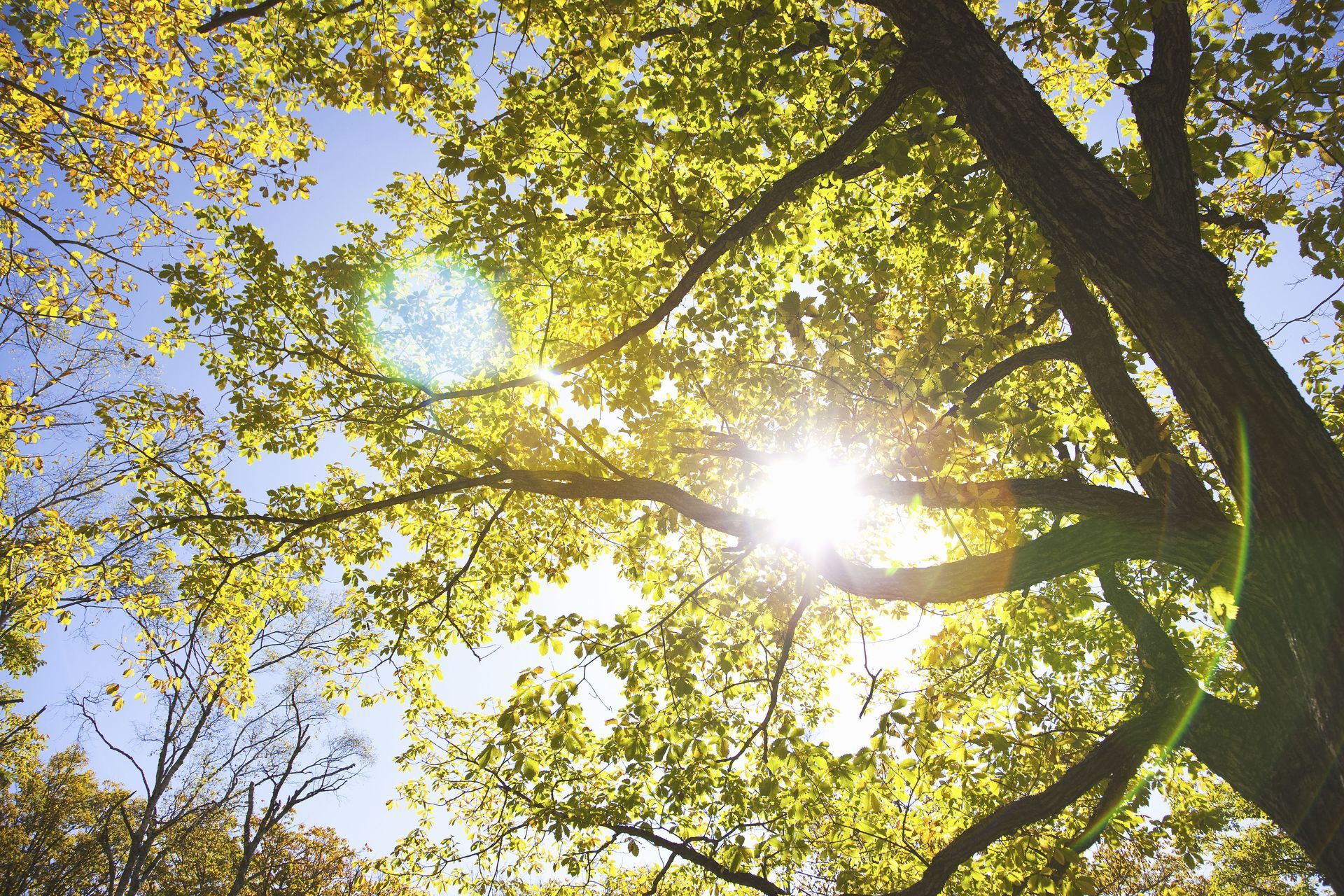
By strategically planting new trees, you reintroduce natural thermal regulation to your property. Deciduous trees planted on the southern and western sides of your newly expanded yard act as organic air conditioners, blocking intense afternoon sun during summer while dropping their leaves in winter to let warm sunlight through. Seasoned backyard designers know how to select species that grow at optimal rates to provide fast canopy coverage without overcrowding your new layout. This natural shade lowers surface temperatures on patios, decks, and lawns, making your extended outdoor space comfortable and usable even on the hottest July afternoons.
Stabilize Newly Graded Soil and Prevent Erosion
Backyard expansions almost always involve grading, earth-moving, or clearing deep root systems that previously anchored the earth. Freshly exposed soil is highly vulnerable to erosion from wind and rain. Without a strong root network to bind the ground together, heavy summer storms can wash away topsoil, carve deep gullies across your fresh lawn, or even undermine paved surfaces and retaining walls.
Newly planted trees play a vital role in soil stabilization and hydrology management. As young trees establish themselves, their root structures spread deeply and widely through the soil, forming an underground framework that locks earth in place. Furthermore, a tree's leafy canopy intercepts falling raindrops, reducing the kinetic impact of heavy downpours on bare soil. Working alongside professional backyard designers ensures that you choose trees with deep, non-invasive taproots or dense fibrous root systems precisely suited for slope stabilization and runoff control in your specific soil type.
Establish Privacy Screens for Expanded Living Areas
Expanding your yard often brings your primary outdoor living areas closer to property lines, neighboring houses, or nearby roads. Clearing away wild buffers or perimeter brush can suddenly leave your patio, pool area, or lawn exposed to sightlines from surrounding properties. While wooden fences or vinyl privacy walls offer immediate barriers, they can feel rigid, imposing, and boxed-in over large expanses.
Planting new trees provides a soft, living privacy screen that feels natural and inviting. Fast-growing evergreens offer year-round visual protection, creating a private sanctuary in your own backyard. Alternatively, mixed plantings of flowering trees and structural evergreens add dynamic visual interest across all four seasons. Leading backyard designers routinely utilize multi-layered tree plantings along property boundaries to soften hard fence lines, absorb ambient neighborhood noise, and shield outdoor dining spaces from intrusive eyes without making the yard feel confined.
Enhance Property Value and Aesthetic Architectural Appeal
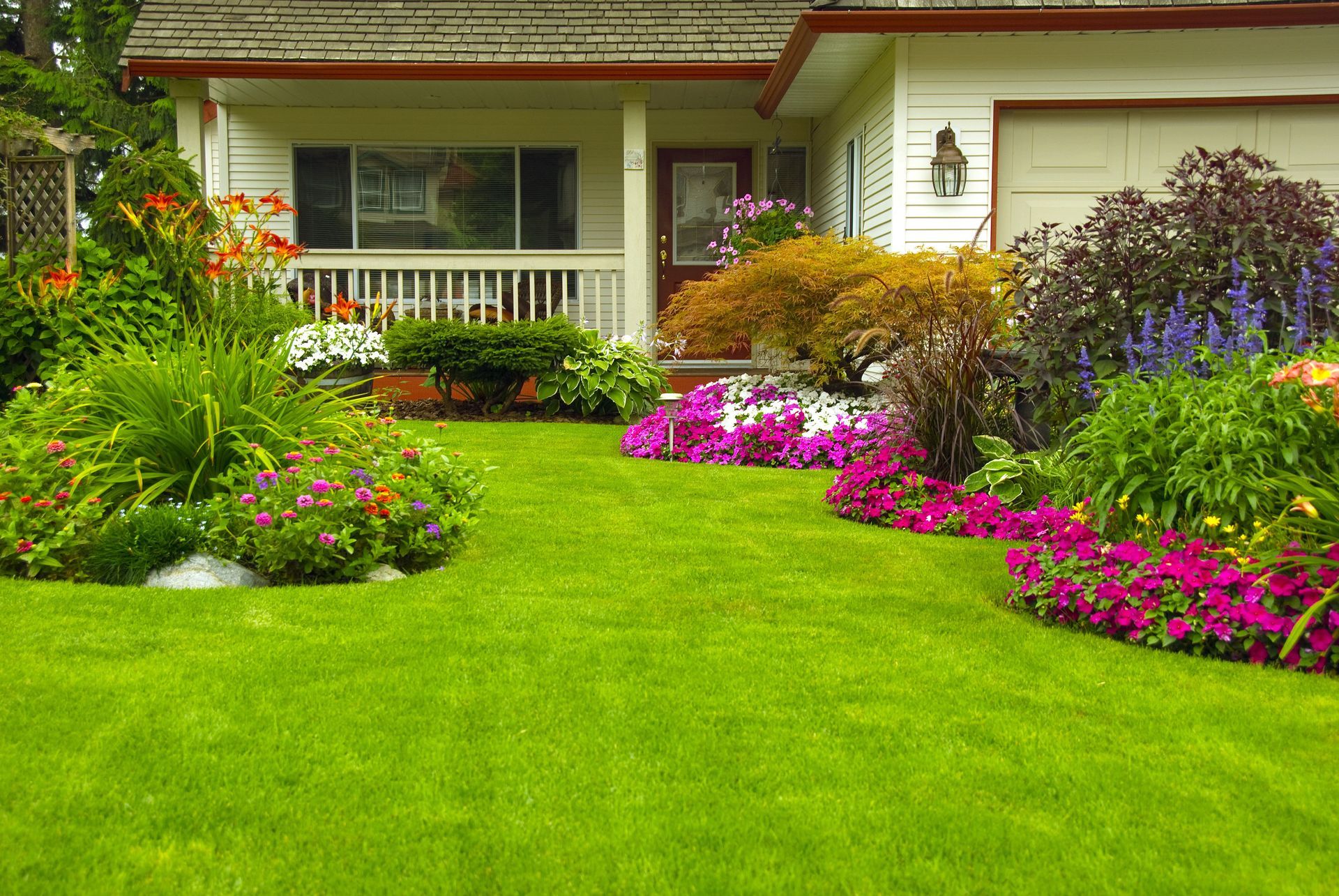
A large, wide-open lawn without structural vegetation can appear barren, featureless, and unfinished. Trees provide vertical scale, color, texture, and architectural grounding that elevate a simple patch of grass into a luxurious, professionally curated landscape. The visual hierarchy created by combining tall canopy trees, mid-sized ornamental bloomers, and groundcover plants gives your expanded yard depth and dimension.
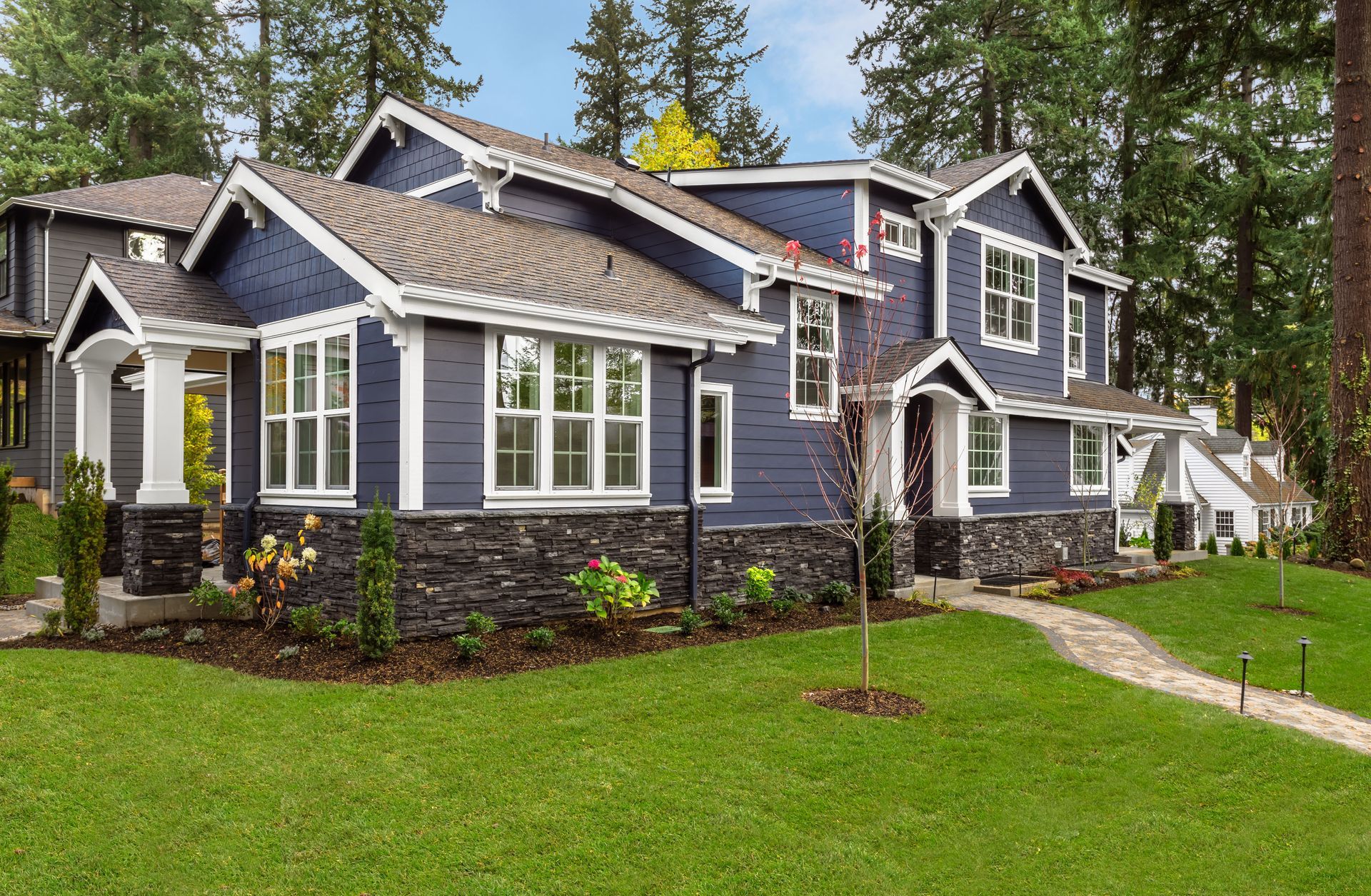
Beyond immediate visual pleasure, planting trees is a proven investment in your home's financial future. Mature, well-placed trees significantly boost curb appeal and can increase overall residential property values by up to fifteen percent. Prospective buyers view established trees as high-value assets that require years to grow, making a thoughtfully planted yard a major selling point.
Consulting experienced backyard designers allows you to curate a cohesive palette of specimen trees that complement your home's architectural style and deliver substantial long-term financial returns.
Rebuild Local Habitat and Support Wildlife Biodiversity
Clearing land to expand your backyard inevitably disrupts local bird populations, beneficial insects, pollinators, and small wildlife that relied on the pre-existing vegetation for shelter and food. Replacing lost greenery with a monoculture of turfgrass creates a biological desert that offers very little ecological value to your immediate environment.
Planting new trees helps heal the local ecosystem by restoring essential habitat corridors. Native tree species, in particular, provide nesting sites for songbirds, nectar for bees and butterflies, and critical food sources throughout the seasons.
By reintroducing diverse tree species, you actively encourage a healthy biological balance in your yard. Expert backyard designers frequently advocate for native tree integration because native specimens require less chemical intervention, thrive in local climate conditions, and attract native birds and pest-eating insects that naturally protect your garden from harmful bugs.
Define Distinct Functional Zones Within Large Layouts
When you add substantial square footage to your property, managing a vast, open expanse can feel overwhelming. Without structural dividers, a large yard lacks purpose and intimacy. Trees act as natural architectural walls and ceiling structures, allowing you to divide a large property into distinct, comfortable outdoor rooms dedicated to different activities.
You can use a row of flowering trees to subtly separate a swimming pool area from a quiet reading garden, or plant a cluster of broadleaf shade trees to frame an outdoor kitchen and dining terrace. By utilizing trees as living partitions, backyard designers create intuitive flow and movement throughout your property. This spatial organization makes expanded yards feel both expansive and cozy, giving every corner of your landscape a clear, dedicated purpose.
Mitigate Wind Burden and Protect Structural Features
Expanding a yard by removing dense woods or large earth structures often changes the wind patterns across your property. Without natural windbreaks, strong gusts can sweep uninterrupted across your open lawn, making outdoor gatherings uncomfortable, damaging delicate garden plants, and increasing heating costs for your house during cold winter months.
Strategic tree planting creates an effective windbreak that buffers your home and outdoor living zones from harsh winds. Evergreen trees planted perpendicular to prevailing winter winds intercept and diffuse gusting air, creating a calm microclimate on their leeward side. By collaborating with skilled backyard designers, you can map out wind corridors on your newly opened property and place hardy, wind-resistant tree species in precise arrangements that shield your patio, outdoor fireplace, and home exterior from wind damage.
To ensure your newly expanded yard reaches its full visual and functional potential, partner with trusted professional backyard designers at Superior Lawn & Landscape today to craft a customized tree planting plan tailored specifically to your landscape!